The Future of Enterprise Payables Billing: Making Client Management Easier with Automated Invoice Processing
Think about the best service you’ve ever gotten: a smooth sale, quick support, and a great product. But then comes the bill. If that bill is slow, confusing, or wrong, all that good feeling can disappear in a flash. For many years, the billing process has been a complex and resource-intensive step, which often causes friction with clients. An error on an invoice, a late bill, or a confusing payment method doesn’t just annoy the accounting team; it silently hurts the client relationship you worked so hard to build.
In today’s fast-moving world, the billing experience is no longer just a simple transaction; it’s a key part of your customer service. It’s the final moment where you either confirm your professionalism or show that your internal systems are outdated. The future of billing isn’t just about doing things faster; it’s about making the financial side of your relationship as smooth and trustworthy as your core service.
The primary goal of automated invoice processing software is to transform billing from a headache into a seamless, positive experience that fosters genuine client loyalty. It’s a strategic move to manage clients more effectively by being reliable with finances.
Part I: Why Old-School Invoicing Drives Clients Away
To truly appreciate the value of automation, we must examine how traditional, manual billing processes can erode client trust. These issues are often hidden from management, but they show up directly in your client’s frustration and resentment.
The Problem with Human Errors and Accuracy
Manual data entry, where financial information is transferred by hand from documents such as emails or PDFs into an accounting system, poses significant risks. Industry data indicates a consistent risk of error when people enter financial figures manually. Invoices contain long, detailed lists of numbers, dates, and terms, and it’s very easy to miss a digit or place a decimal in the wrong spot. When these mistakes happen, the client’s Accounts Payable team is usually the one that catches it.
Every time a client is forced to contact you about an inaccurate invoice, they are essentially doing your quality control work for you. This repeated administrative friction doesn’t just annoy your client; it indicates that your company lacks attention to detail and internal control. Ultimately, it makes them doubt the reliability of your entire service.
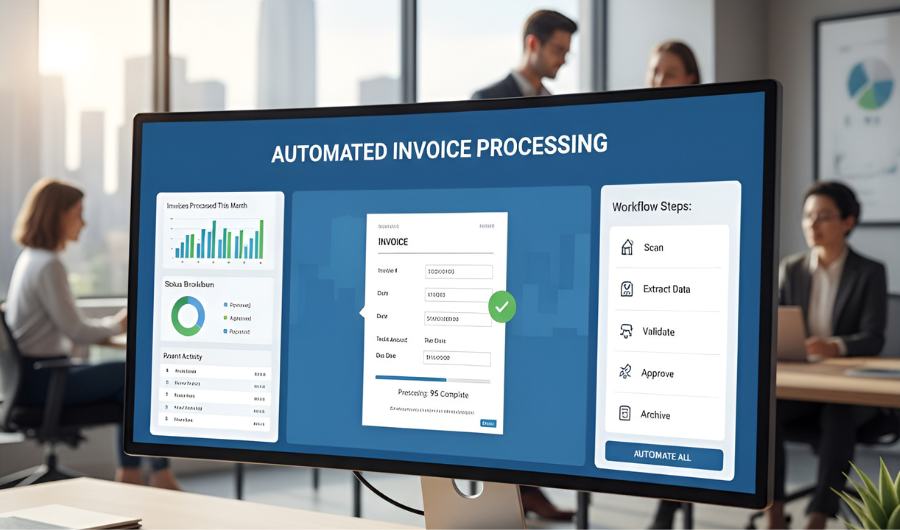
Automation completely solves this. Modern systems like automated invoice processing software use smart technology like Optical Character Recognition (OCR) and machine learning to “read” an invoice with near-perfect accuracy. They capture data and validate it as soon as it arrives. Eliminating these manual errors ensures that your client receives a clean, accurate bill immediately. This simple act of delivering perfect accuracy is one of the quickest ways to build and reinforce trust.
The Pain of Slow, Unknown Processes
Accuracy is only half the battle. Once an invoice is finally correct, its journey through a manual office is another major point of failure. A client’s invoice can get lost in a stack of papers, sit in an email for a week waiting for a manager’s signature, or simply be forgotten because of a simple filing error. This lack of speed and visibility messes up your client’s own budgets and financial planning. They need timely documents to close their books and forecast their spending. When they have to chase you for a bill or a receipt, you’ve become a roadblock in their own business.
Automated workflows eliminate these delays. The process is instant, digitally tracked, and automatically routed based on the rules you set up. From the moment a service is completed, the system captures the details, checks them against the original agreement, obtains digital approvals, and sends the final bill. This speed creates a reputation for reliability. When a client trusts that they will get an accurate, professional bill exactly when they expect it, billing stops being a source of stress and becomes a predictable, easy business routine.
Part II: Turning Billing into a Tool for Client Service
The biggest advantage of automated invoice processing is that it frees up your employees’ time and energy. Instead of forcing your finance team to spend hours typing and chasing signatures, automation allows them to focus on aspects that truly matter to the client relationship. Their job shifts from being simple processors of paperwork to becoming strategic enablers who support and strengthen client loyalty.
Giving Clients Control with Self-Service Tools
Modern customers expect to be able to find information and solve problems independently, whenever they need to. Traditional billing makes this impossible, forcing clients to call or email someone in your finance department just to request a copy of an old invoice, verify if a payment has been processed, or dispute a charge.
Automation platforms are now adding strong client portals that offer:
- Real-Time Bill Status: Clients can log in at any time and instantly see the status of every invoice: outstanding, approved, paid, or currently under review. This transparency dramatically reduces annoying follow-up calls, such as “Where’s my invoice?”
- Easy Payment Options: Offering a variety of modern, digital ways to pay like bank transfers (ACH) or credit cards, and enabling instant electronic payments is a small convenience that makes a huge difference in the client’s experience.
- Instant Document Access: Clients can easily download their own historical invoices, receipts, and detailed reports for their own records, making auditing and financial reporting easier without involving your staff.
This ability to put the client in control, providing them with immediate and easy access to their financial information, is a key sign of great modern service. Instead of a finance clerk spending time digging through files for an old document, they can use their time to solve a more complex, unique client problem that truly requires human brainpower.
Connecting the Dots: Finance Meets Client Success
The real power of automated invoice processing software is revealed when it integrates with your other core business systems, particularly your Customer Relationship Management (CRM) platform. This is where finance data becomes a strategic asset.
When billing data flows directly into the CRM, your sales and client success teams gain a comprehensive view of the customer’s financial situation. This information includes:
- Payment Patterns: The account manager can instantly see if a client always pays late or if they consistently take advantage of early payment discounts. This allows them to have a proactive, helpful conversation about payment terms, rather than a confrontational call only after the payment is late.
- Dispute History: If the system shows a client frequently disputes invoices for a specific service or project, this alerts the client success team to a systemic problem in the service delivery itself a warning they can address before the client gets angry and leaves.
- Contract Alignment: The automated system ensures that the items, prices, and quantities on the invoice match the contract terms stored in the CRM, preventing the very mistakes that erode relationships.
By removing the wall between the finance team and the client-facing team, automation turns simple billing data into a tool for building stronger, more informed client relationships.
Part III: The Smart Future of AP Automation and Client Value
Today’s automation is highly effective, but the next wave, powered by smarter technology like Artificial Intelligence (AI) and Machine Learning (ML), is going to change how we think about financial client management. The future isn’t just about reducing internal processing costs; it’s about creating predictive financial partnerships or value.
AI and Predictive Client Engagement
With machine learning models constantly crunching data on transaction volumes and payment habits, finance teams can move beyond simply reacting to problems. They can now actively predict and prevent client issues.
- Smarter Follow-Up: AI can analyze a client’s payment history and flag a high-value customer who shows signs of potentially missing a deadline. Instead of waiting until a payment is late to send a stern notice, a human account manager can make a friendly, proactive call a few days before the due date to “check in” on their payment schedule. This approach preserves the relationship rather than damaging it with a collection notice.
- Spotting Red Flags: AI is becoming highly skilled at identifying unusual or suspicious activity that a person might overlook. This includes flagging anomalies such as a surprisingly high amount on a recurring invoice, a sudden and unexplained change in a supplier’s bank details, or a suspicious duplicate invoice that attempts to pass through the system. By preventing these financial errors and potential fraud, the automation system safeguards your company’s finances and reinforces the trust your clients have in your secure operations.
The market proves that this is a critical strategic shift. Analysis shows that the automated invoice processing software market is growing rapidly, with forecasts indicating its size will nearly triple in the coming years. This massive growth is not driven by accountants simply trying to save a few pennies; it’s driven by business leaders who understand that having an exceptional financial operation is a major competitive advantage in a world that prioritizes client satisfaction. The adoption of these smart, cloud-based tools is a clear indication that traditional, manual billing methods simply can’t keep pace with the speed, complexity, and high customer service standards of today’s business world.
Setting a New Standard for Trust
The days when you could treat billing as a separate, messy back-office task are over. In the digital economy, every administrative interaction matters to the client experience, and the billing process is one of the most sensitive. A clean, fast, and transparent invoice is much more than a simple request for money; it’s a strong statement about your company’s commitment to being efficient, accurate, and professional.
The transition to automated invoice processing software is not just an upgrade for your finance team; it’s a strategic investment in the long-term health of your client relationships. It’s the key that allows your finance experts to stop processing transactions and start nurturing value, giving them the data and the time to interact with clients intelligently and proactively. The businesses that will lead the market are those that recognize their commitment to financial excellence as the clearest way to demonstrate their dedication to their clients.

- Top 11 Mobile App Development Companies In Dubai 2026

- SEO for Carpet Cleaners: Capture More High-Intent Local Searches
- How to Choose the Right IVR Service Provider for Your Small Business
- How Developers Are Shipping Software Faster With AI in 2026
- Building a Secure ID Scanner App for Age-Restricted Retail