How SaaS Companies Can Build Online Authority Through Content and Backlinks
The SaaS space is now more crowded than the SaaS space has ever been. With cloud systems becoming easy to use and no-code tools making it simpler to create new software products, new products are coming out every week. For a founder or a growth marketer, this creates a big challenge: being seen in a lot of digital noise.
When people have a problem and look for a software solution, they rarely go past the few results on Google. If your product isn’t in those spots, it might as well not exist for them.
Getting into those positions takes more than just good branding or a big ad budget. It requires strong organic visibility. In the world of building that power comes down to two main things working together: making good content that solves problems and getting links from important websites.
Let’s look at how modern SaaS companies can use these two things to build trust and take over their market.
The Main Issue: Why SaaS Content Doesn’t Work
Before getting into the plan we need to talk about a mistake that new software companies make. Saas blogs are the same—they have a lot of content that talks about new features, updates and company news. This kind of content is useful for people who already use the tool. It doesn’t attract new people who don’t know the brand.
To get search engines to trust your site you have to focus on what your audience’s struggling with.
If you run a customer relationship management (CRM) tool, writing a post called “Introducing Our New Contact Tags Feature” only reaches your users. If you make a guide called “How to Fix Communication Gaps Between Sales and Marketing Teams,” you are solving a real problem. This kind of content brings in decision-makers before they even know they need a tool. By helping people for free with writing you become the top source of information in your area.
1. Making Content That Ranks (Pain-Point SEO)

Building search engine power starts with creating content that people want. Instead of chasing big keywords, smart SaaS companies aim for smaller, more focused queries that are connected to making money. This is called Pain-Point SEO.
Understanding the Ideal Customer
Your content team needs to know the problems of your users. What worries your customers? What tasks take long? Write down these questions by talking to your support and sales teams. Every complaint or question is a chance for a blog post.
Using Unique Data
The web is full of content that has been written many times. To stand out, SaaS companies have an advantage: their user data. By using anonymized data from their tool, they can create reports and analyses.
For example, an email marketing software as a service can create a report about millions of emails that were sent to show which subject lines performed the best. Since this information is special and not found elsewhere, other writers and reporters will want to link to your report, which helps your website become more powerful.
2. How to Get Links for Software Sites

Making content is only part of the work. Search engines look at what others say about your site. Every good link pointing to your software is like a vote of confidence from websites.
Here’s a mistake I see all the time. Someone hears “build links” and immediately starts emailing big publications. It almost never works. Nobody with a strong domain wants to link to a site that launched last month.
So start smaller. Take an afternoon and look at your competitors’ backlinks. See where they’re getting featured, and where they aren’t. Then find niche sites that share tools or resources. Start pitching those first. A few links like these are worth more than fifty junk ones, honestly.
If your SaaS site is brand new and has zero links, begin with some easy backlink opportunities for a new website. Digital PR can wait until you have something worth pitching.
Once that’s done, these three approaches tend to work best:
A. Getting on Resource Pages
Many schools, groups, and blogs have pages that list the best tools and guides. By finding these pages that are missing your tool, you can offer your software or free tools as an addition for their readers.
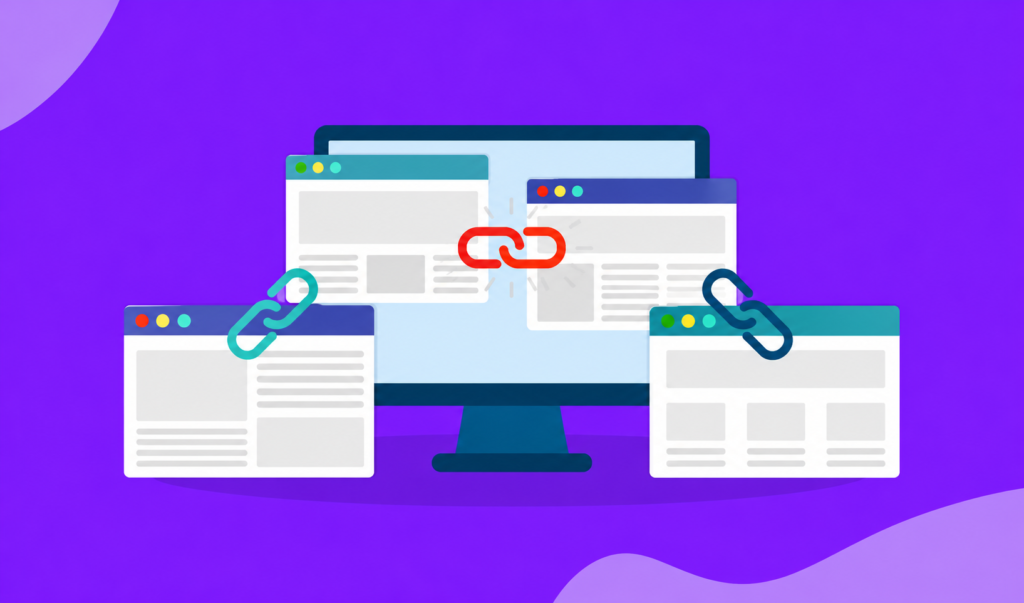
B. Fixing Broken Links
Websites change and old links break. By checking tools that are no longer updated you can find links that are broken. Then you can ask the website owner to replace the link with your new updated guide. This is a deal for both sides.
C. Being Seen in the News
Writers and editors at publications always look for experts. By watching where they ask for help, you can give comments on new tech topics. When a big tech site uses your quote, they usually link back to your site, giving your brand a lot of power.
3. Making Content That Others Want to Link To
You can’t grow your link-building if you only offer links. Editors want to link to things that help their readers. That is why creating linkable assets is key for long-term growth.
A linkable asset is a piece of content or a free tool made to get links. In the software world, this works well because you already have the people to build tools.
- Free Tools: If you run a B2B SaaS, make a free “SaaS Churn Calculator” or an “ROI Estimator.” These tools take work but get lots of links from finance writers.
- Downloadable Things: Make things like Excel templates, Notion guides, or printable steps. Everyone loves a shortcut. If your template saves someone an hour, they’ll pass it along without being asked.
Complete Guides: Instead of making five short posts, create one big, detailed guide . When your guide is the best on the internet, other writers will link to it to explain things without rewriting.
4. Making Content That Feels Good to Use

Building power isn’t just about writing and getting links; how your content looks matters too. You tap a link and get a blank screen. The page finally loads, and a pop-up lands right on the headline. Close it, and another one takes its place. You scroll down a little, the text jumps, and now you can’t find where you were. Back button. Done. Most of us close the tab. You probably closed the tab. Your visitors do the same thing, and search engines pick up on it.
This behavior tells search engines that your page might not be as good as the links suggest.
To avoid this, keep your content pages as clean as your product. Keep the text readable, use headings, make load times quick, and design a layout that works well on phones. When the experience feels smooth, the experience of using the software feels seamless. People stay longer, read more, and are far more likely to give your software a try.
Final Thoughts: The Long-Term Value of Digital Power
Building authority for a SaaS brand requires effort and steady work. Creating content and getting links from websites that matter can help companies become more visible online bring in new customers and gain trust over the years.
Of looking for quick fixes concentrate on making helpful materials and getting links, from sites that are important. A steady way of doing things can help your brand become strong and respected in a market.